AI in Sports for Load Management, Fatigue Forecasting, and Performance Longevity
- David Bennett
- Dec 11, 2025
- 5 min read

Athlete performance is no longer determined only by physical conditioning, coaching knowledge, or intuition. Modern sports science now relies heavily on AI in sports to track physiological data, analyze workload patterns, forecast fatigue, and optimize athlete longevity. With the rise of real-time tracking systems, biometric sensors, and predictive analytics, teams gain access to insights that were previously impossible.
AI helps coaches protect athletes from overtraining, prevent injuries, and maintain peak performance throughout long competitive seasons. Whether a team competes in football, soccer, basketball, cricket, tennis, or track, the combination of sports AI and biometric intelligence empowers organizations to manage their roster with more precision and fewer risks.
Systems like Mimic Sports(https://www.mimicsports.com) support this evolution by combining immersive technologies, simulation workflows, and athlete-tracking insights that strengthen overall performance strategies.
This article explores how AI helps teams manage load, predict fatigue, extend athlete careers, and make better decisions throughout the season.
Table of Contents
What is AI in sports load management?
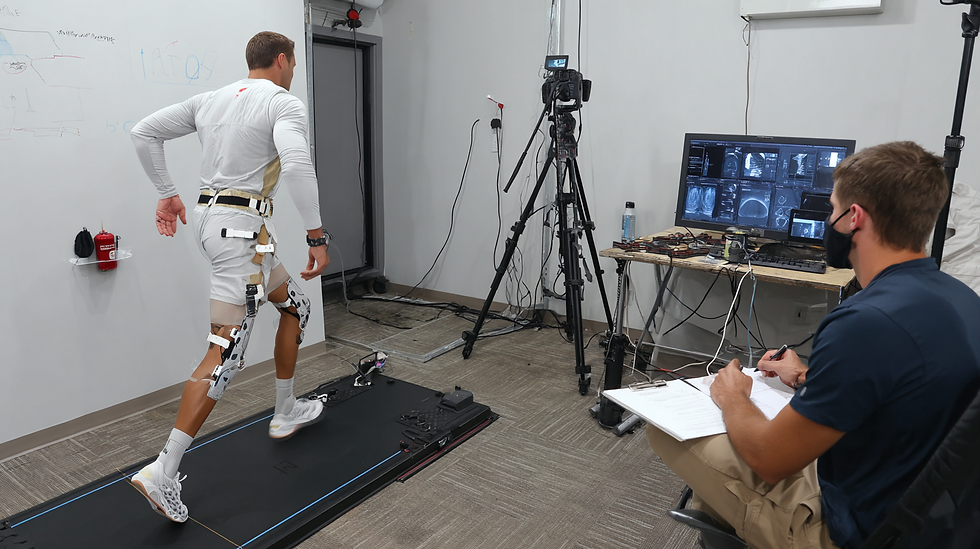
AI in sports load management refers to systems that analyze physical workload, movement intensity, stress markers, and recovery cycles to determine how much training an athlete can handle without risking injury. These models combine:
biometric sensors
GPS or positional data
movement-tracking cameras
internal load indicators
historical player performance
machine learning predictions
Together, these inputs create dynamic profiles for each athlete.
Such systems support the performance frameworks used in VR training environments, where training simulations improve cognitive and physical readiness.
Why is fatigue forecasting critical for athlete health?
Fatigue is one of the strongest predictors of injury.
When athletes reach fatigue thresholds, they are more likely to:
land improperly
react slower
lose joint stability
execute techniques inconsistently
make tactical mistakes
experience soft-tissue failures
AI removes guesswork by forecasting fatigue before it becomes dangerous. Performance analysts can adjust training sessions, reduce intensity, taper workload, or modify substitution plans based on fatigue alerts.
This proactive approach helps keep star players healthy throughout long seasons.
Understanding player workload through AI analytics
Workload refers to how much physical stress an athlete experiences during training or competition. Evaluates workload across:
speed
acceleration and deceleration
force output
heart rate and HRV
movement repetition
muscle load
distance covered
high-speed running intervals
AI-based sports technology systems analyze millions of data points per session, highlighting trends humans cannot detect manually.
These insights align with the high-precision analytics used in athlete tracking systems that measure performance in real time.
How does AI detect overtraining before injuries occur?
One of the most valuable roles of athletic AI tools is early risk detection.
AI models identify warning signs such as:
declining acceleration
inconsistent movement patterns
muscle asymmetry
elevated heart rate despite low intensity
irregular sleep and recovery cycles
chronic fatigue signals
reduced reaction speed
movement compensation
Once detected, coaches can adjust the load for the athlete.
This prevention-based approach is more effective—and less costly—than treatment after injury.
Traditional Conditioning vs AI-Driven Performance Systems
Category | Traditional Conditioning | AI-Driven Sports Performance |
Load evaluation | Coach observation | Real-time, data-driven |
Fatigue detection | Athlete self-reporting | Predictive fatigue modeling |
Injury risk | Reactive | Proactive prevention |
Training plan design | Fixed schedule | Adaptive, based on AI insights |
Recovery monitoring | Manual check-ins | Automated biometric tracking |
Performance consistency | Variable | Higher due to personalized load |
Athlete lifespan | Hard to predict | Improved longevity via data |
Predictive fatigue modeling for game and training planning
Predictive modeling is where AI in sports delivers the highest ROI.
AI analyzes historical patterns and live performance data to forecast:
how fatigued an athlete will be tomorrow
whether they can handle a double training session
if they need reduced load before game day
the expected fatigue level after travel
recovery timing after high-intensity matches
the risk level of playing back-to-back games
This helps coaches create individualized training programs that align with game schedules.
Predictive fatigue modeling supports long-term planning and keeps the squad healthier throughout competitive periods.
Improving athlete longevity with AI insights
Career longevity is the ultimate goal of sports performance programs.
AI improves longevity by:
reducing repetitive strain
balancing training load over time
tracking cumulative fatigue
identifying chronic stress patterns
optimizing rest days
spotlighting athletes at early risk
adjusting game exposure
Players maintain higher performance with fewer injuries and longer careers.
This is crucial for youth athletes as well, where long-term development matters more than short-term performance.
How do immersive tools support AI tracking?
Immersive tools such as VR can complement AI systems by enhancing mental readiness, decision-making, and environmental awareness.
For example:
VR improves reaction speed
immersive drills support tactical training
virtual simulations reduce cognitive fatigue
players rehearse scenarios mentally without physical strain
recovery sessions can include low-impact VR cognitive reps
This combination aligns with the integrated performance strategies seen in Mimic Sports training workflows.
AI for recovery optimization and sleep analysis
Recovery is just as important as workload.
Sports AI monitors:
sleep quality
HRV patterns
resting heart rate
muscle soreness
hydration levels
breathing variations
inflammation indicators
The AI then recommends:
ideal sleep schedules
nutrition adjustments
recovery exercises
therapy interventions
rest vs active recovery days
This removes uncertainty and ensures athletes recover properly.
Challenges teams must prepare for
Implementing AI-driven sports technology comes with considerations:
ensuring data accuracy
maintaining athlete privacy
interpreting results correctly
avoiding over-reliance on automation
providing education for coaches and athletes
integrating AI with existing staff roles
When properly managed, AI becomes an invaluable part of performance science.
Conclusion
AI in sports is fundamentally reshaping how teams monitor load, forecast fatigue, and support athlete longevity. By combining biometric tracking, predictive modeling, immersive training, and real-time analytics, teams make smarter decisions that protect athletes, improve performance, and extend careers. These systems help organizations transition from reactive management to proactive optimization.
With platforms like Mimic Sports, teams gain the tools needed to merge advanced sports AI technology with training, simulation, and long-term athletic development.

FAQs
1. How does AI help manage athlete workload?
AI analyzes movement, biometric data, and training intensity to create personalized workload profiles.
2. Can AI really predict fatigue?
Yes. Predictive models forecast fatigue levels based on patterns, historical trends, and real-time indicators.
3. Does AI reduce injury risk?
AI detects overtraining patterns early, helping coaches adjust load before injury occurs.
4. Is AI useful for all sports?
Yes. Any sport that requires training load management benefits from AI insights.
5. How does AI improve athlete longevity?
By preventing overload, improving recovery, and balancing training across seasons.
6. Can AI integrate with VR training?
Absolutely. VR complements AI by building cognitive skills without increasing physical load.
7. Do teams need expensive hardware?
Most modern AI sports tools integrate with wearable sensors already used in training.
8. Is AI in sports difficult to implement?
With proper guidance, AI tools integrate smoothly into existing performance workflows.


Comments