Athlete Likeness Rights in AI Sports Marketing: A Guide to Safe Digital Campaigns
- Mimic Sports
- Jul 6
- 7 min read
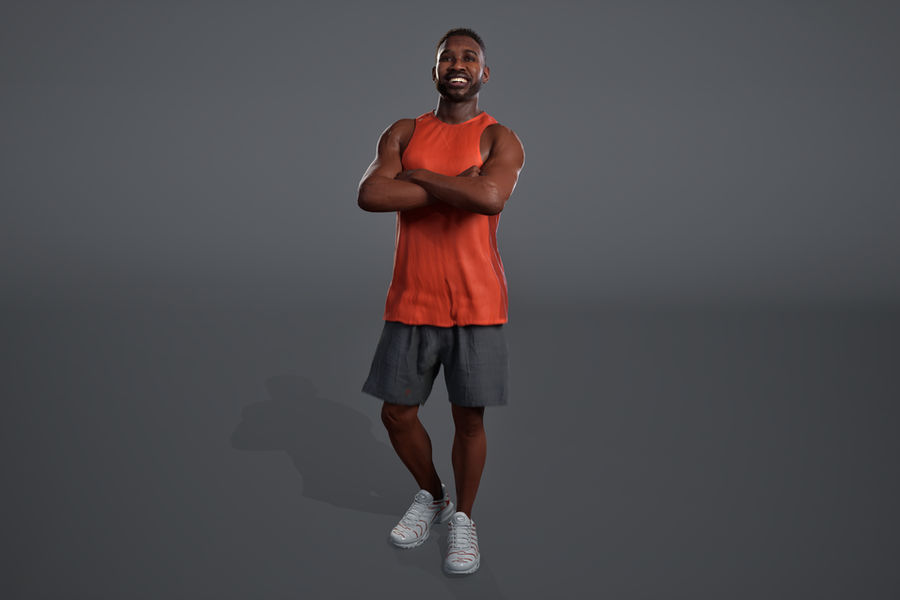
Can AI athlete avatars help sports organizations protect likeness rights while creating more valuable fan and sponsor experiences?
Yes, when they are built with consent, clear usage rules, and a production pipeline that treats the athlete’s digital likeness as a premium asset. For clubs, leagues, agencies, and sponsors, AI athlete avatars make it possible to scale appearances, multilingual content, virtual meet-and-greets, AR activations, and training demonstrations without asking the real athlete to be everywhere at once.
That is where Mimic Sports AI avatars become more than a visual effect. They sit at the intersection of 3D scanning, motion capture, digital humans, real-time engines, and campaign strategy. The result is a rights-aware digital athlete that can support fan engagement, sponsorship ROI, coaching content, and immersive brand storytelling across markets.
Table of Contents
Why Athlete Likeness Rights Matter in AI Sports Marketing

An athlete’s face, body movement, voice, gesture style, and playing identity carry commercial value. When AI makes synthetic media easier to produce, sports organizations need a stronger process for consent, scope, approvals, and measurement. The question is no longer whether a star can appear digitally. The question is who controls that appearance, where it can be used, for how long, and under which campaign conditions.
A rights-safe AI athlete avatar starts with a clear agreement. The agreement should define permitted markets, platforms, languages, sponsor categories, editing rights, approval workflows, and expiration dates. It should also distinguish between a faithful digital double, a stylized character, a training companion, and an AI conversational persona. Those assets may look related, but they carry different risks and commercial use cases.
Mimic Sports approaches this through production-grade capture and brand control. Its sports technology pipeline combines 3D scanning, motion capture, real-time engines, AI, digital humans, analytics, tracking, and visualization. That matters because an avatar is not only a file. It is a reusable performance system that must remain believable, compliant, and measurable across every activation.
What Makes an AI Athlete Avatar Campaign-Ready

A campaign-ready avatar needs realism, consistency, flexibility, and governance. Realism helps fans accept the experience. Consistency keeps the athlete’s digital likeness aligned across a launch film, AR filter, virtual meet-and-greet, stadium activation, product demo, and social clip. Flexibility allows the same avatar to appear in different campaign formats without rebuilding the asset from scratch. Governance keeps the athlete, club, sponsor, and agency aligned.
The core production steps usually include scan capture, facial detail, body proportions, grooming, kit or product modeling, motion capture, facial performance, rigging, voice or dialogue strategy, and real-time deployment. This is why avatar work benefits from a studio that understands both digital humans and sports storytelling. Mimic Sports is built on Mimic Productions’ experience with photoreal digital humans, performance capture, and VFX-grade assets, which supports a more controlled commercial output.
For brands, this unlocks repeatable campaign assets: athlete product explainers, localized sponsor messages, virtual hosts, AR product launches, and custom digital characters. For teams and agencies, it creates a library of approved digital performances that can support launches even when travel, season schedules, or media availability are tight.
How Avatars Scale Fan Engagement Across Channels

Fan engagement has moved beyond one-way content. Supporters want access, personalization, participation, and moments they can share. An AI athlete avatar can host a virtual Q&A, welcome fans in a stadium concourse, appear in an AR fan zone, deliver personalized messages, demonstrate a product, or guide users through an interactive challenge. Each touchpoint gives sponsors more than visibility; it gives them a measurable interaction.
This is especially useful for international clubs and brands. A multilingual avatar can adapt the same campaign idea for different regions while preserving the athlete’s core identity and sponsor guidelines. Instead of repeatedly filming new versions, teams can build approved digital content variations for specific territories, languages, tournaments, or audience segments.
The strongest campaigns connect avatars to a larger experience. Pair an AI athlete avatar with immersive advertising activations, AR product launches, gamified fan challenges, or broadcast storytelling. Then connect that campaign to related editorial content, such as Mimic Sports’ article on fan engagement in sports, so visitors can move from inspiration to deeper strategy.
How Sponsors Measure ROI From Digital Athletes

The old sponsorship question was simple: how many people saw the logo? The modern question is sharper: what did fans do, how long did they engage, which audience segments responded, and did the experience move them closer to purchase, registration, membership, or loyalty? AI athlete avatars help because they can live inside measurable digital environments.
A sponsor can measure scans, dwell time, interaction rate, opt-ins, completion rate, repeat visits, product try-on actions, coupon redemptions, ecommerce clicks, and social sharing. Rights holders can compare performance across stadium activations, broadcast AR, social media, microsites, and regional campaigns. Those signals make the avatar a measurable sponsorship asset rather than a novelty.
For high-value sponsorships, avatar strategy should connect to broader virtual assets. Mimic Sports already explores sports sponsorship activation with XR fan campaigns and sports marketing for modern audiences. Together, these ideas show why digital athletes work best when they are part of an integrated fan journey, not a disconnected one-off asset.
Where Training, Coaching, and Performance Content Fit

Not every AI athlete avatar has to be public-facing. Some of the most valuable digital athletes support coaching, academy education, tactical understanding, and safe repetition. A training avatar can demonstrate ideal movement, recreate an opponent’s tendencies, guide young athletes through drills, or show a corrected technique from multiple angles. This connects fan-facing digital human work with performance technology.
For teams, training avatars can work alongside 3D sports simulations, virtual match environments, biomechanics visualization, tactical playbook simulators, and digital twin systems. Coaches can rehearse roles, athletes can repeat decisions without physical overload, and analysts can translate complex motion data into visual feedback that players understand quickly.
This also creates content advantages. A club can turn approved training avatar moments into educational clips, sponsor-backed coaching series, academy explainers, or broadcast analysis. The same technical base supports internal performance and external storytelling, especially when linked with articles on sports motion capture and biomechanics and AI sports training systems.
How to Plan a Rights-Safe Avatar Rollout

Start with the commercial use case. Is the avatar for a sponsor launch, a stadium activation, a multilingual social campaign, a broadcast overlay, a training system, or a permanent digital ambassador? Each path needs a different approval process, content calendar, measurement plan, and production package. A narrow pilot is usually smarter than trying to build every possible avatar use case at once.
Define rights: likeness, voice, motion style, territories, platforms, sponsor categories, duration, and review authority.
Build the asset: scan quality, facial performance, rigging, animation range, wardrobe, brand rules, and real-time deployment needs.
Plan the experience: fan journey, sponsor integration, data capture, accessibility, language versions, and moderation safeguards.
Measure outcomes: interaction rate, dwell time, conversion actions, content reuse, market lift, and sponsor reporting.
The best avatar rollouts feel human because the technical and legal details are handled before launch. They protect athletes from uncontrolled synthetic use, give sponsors a clear activation framework, and give fans something more memorable than another passive ad placement. For organizations exploring broader immersive ecosystems, the MimicVerse shows how 3D, AI, motion capture, XR, gaming, advertising, and wellbeing capabilities can connect across specialized domains.
FAQ
What is an AI athlete avatar?
An AI athlete avatar is a digital representation of an athlete that can appear in campaigns, fan experiences, training content, AR activations, or interactive environments. It may include a 3D likeness, motion capture, facial animation, multilingual dialogue, and approved brand behaviors depending on the use case.
How do athlete likeness rights apply to avatars?
Likeness rights define how an athlete’s image, name, face, voice, movement, and identity may be used commercially. Avatar projects should specify approved platforms, territories, sponsor categories, review rights, usage duration, and whether the avatar can speak, perform, or be edited in new contexts.
Why would a sponsor use a digital athlete instead of filming the real athlete?
A digital athlete can scale across regions, languages, formats, and event dates without depending on player travel or repeated shoots. Sponsors still need athlete approval and brand governance, but the approved avatar can support more campaign variations, faster updates, and richer interaction data.
Can AI athlete avatars be used for fan engagement?
Yes. Avatars can host virtual meet-and-greets, personalized shout-outs, AR challenges, stadium concourse experiences, social content, and interactive sponsor moments. The strongest fan engagement uses avatars as part of a broader journey rather than as a one-time visual trick.
How can teams measure sponsorship ROI from avatar campaigns?
Teams and sponsors can measure dwell time, scans, interactions, sign-ups, product actions, opt-ins, coupon use, ecommerce clicks, repeat visits, and social sharing. These metrics make the avatar a performance asset, not only a creative asset.
Are AI athlete avatars only for marketing?
No. Avatars can also support coaching, academy instruction, tactical rehearsals, technique demonstrations, and safe repetition in virtual training environments. The same production base can serve performance, broadcast storytelling, and brand engagement.
What technology is needed to create a realistic athlete avatar?
Typical ingredients include 3D scanning, facial capture, body motion capture, rigging, real-time rendering, AI dialogue or localization where appropriate, and a content workflow that keeps the athlete’s likeness consistent across outputs.
How should a brand start with AI athlete avatars?
Start with one focused use case, such as an AR sponsor activation, multilingual campaign, virtual product launch, or training demonstration. Define rights, approvals, technical requirements, target audience, and success metrics before capture or production begins.
Conclusion
AI athlete avatars are becoming a practical asset for sports organizations because they combine rights control, repeatable production, fan participation, sponsor measurement, and performance storytelling. When built responsibly, they protect the athlete while giving teams and brands a richer way to show up across markets, channels, and immersive environments.
Ready to build a rights-safe digital athlete experience? Talk to Mimic Sports about AI avatars, 3D sports simulations, immersive advertising, and performance-driven fan engagement for your next campaign.


Comments